Streets on the Table Episode 5: Charles McKenna
Text
In 2019, the New Orleans City Council launched a city-wide effort to change the names of streets honoring white supremacists. While the city implemented its renaming efforts, a clear need for an educational component to give context to the changes presented itself. Filling the gap, public history graduate students at the University of New Orleans created projects to illuminate the work of the Street Renaming Commission.
Produced by the Midlo Center for New Orleans Studies, Streets on the Table is a podcast that reflects on the historical relevance of both the old and new street names. Hosted by two UNO graduate students, the podcast highlights the lives and histories unrecognized in the commemorative landscape.
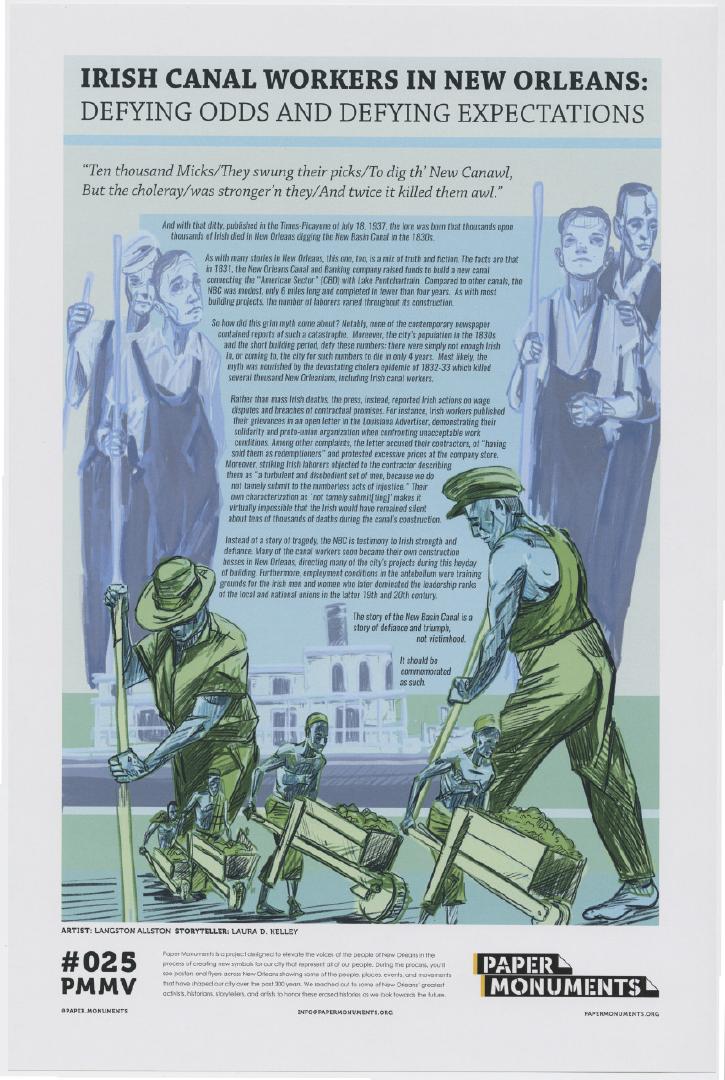
In this episode, Eddie and Lauren talk about the struggles of studying the lives of people without a historical record and explore the Irish immigrant experience in New Orleans.
Files
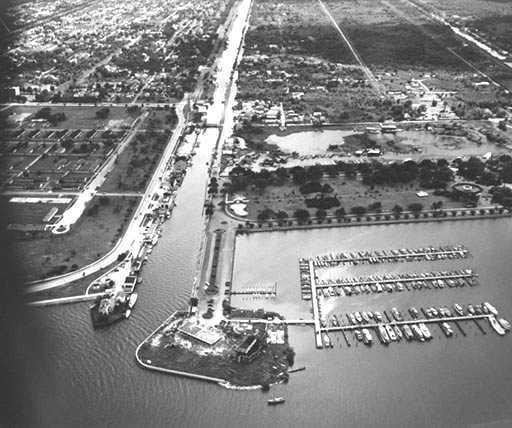
An aerial picture of the canal in 1948.
Source: Uncredited US Army Corps of Engineers photographer, Public domain, via Wikimedia Commons, https://commons.wikimedia.org/wiki/File:NewBasinCanalAirView1948.jpg.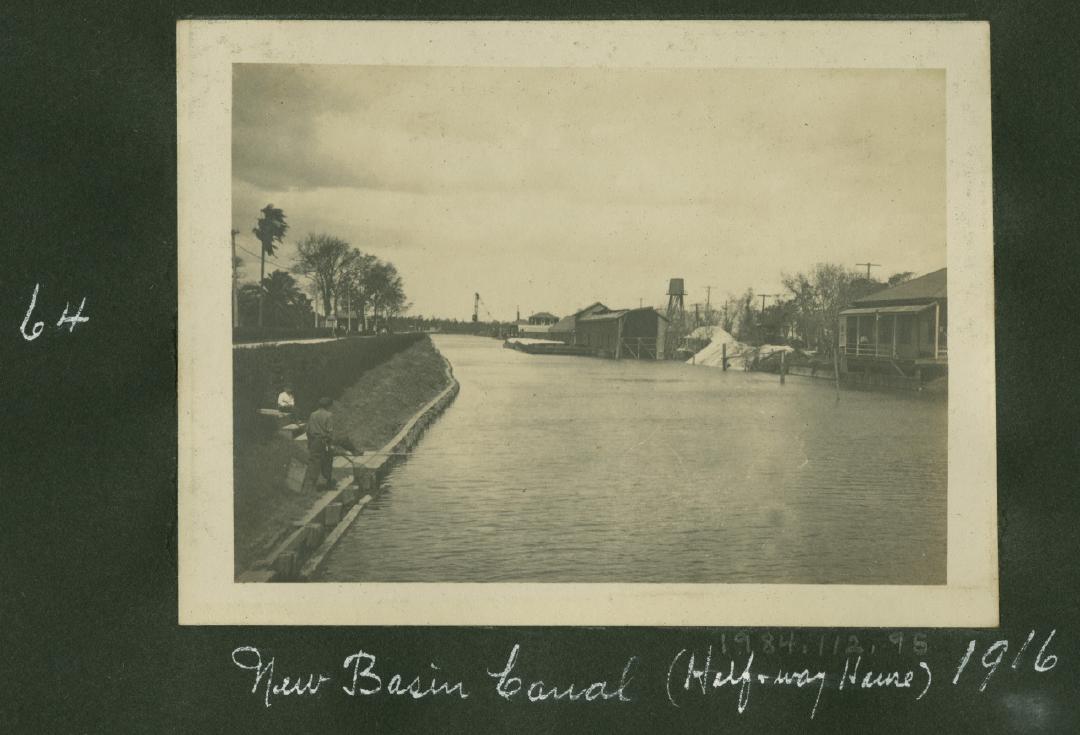
A 1916 photo of the Half-way House on the New Basin Canal.
Source: New Basin Canal (Half-way House), 1916, The Historic New Orleans, Permanent Collection, http://hnoc.minisisinc.com/thnoc/catalog/1/28856.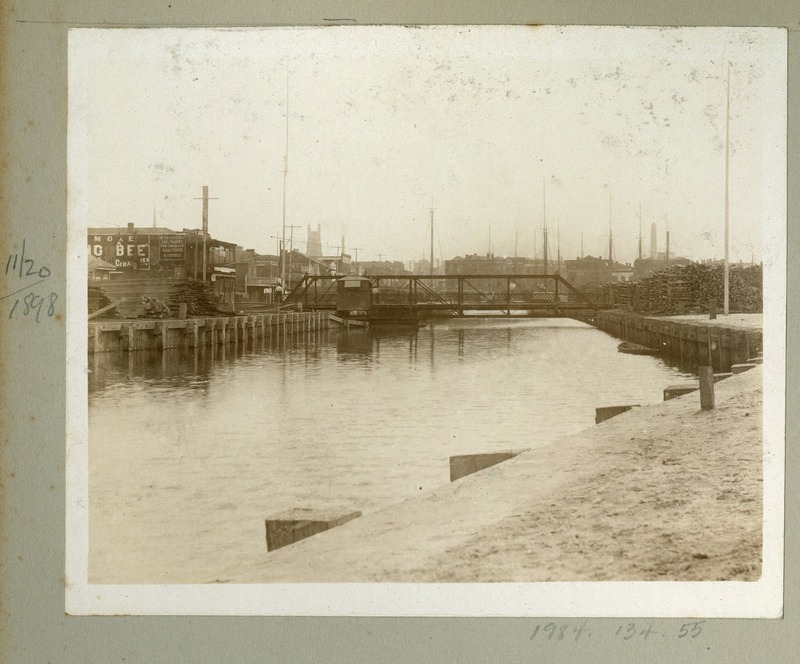
The New Basin Canal was built primarily by immigrant Irish workers.
Source: New Basin Canal near South Liberty Street, 22 November 1898, The Historic New Orleans, Permanent Collection, http://hnoc.minisisinc.com/thnoc/catalog/1/29220.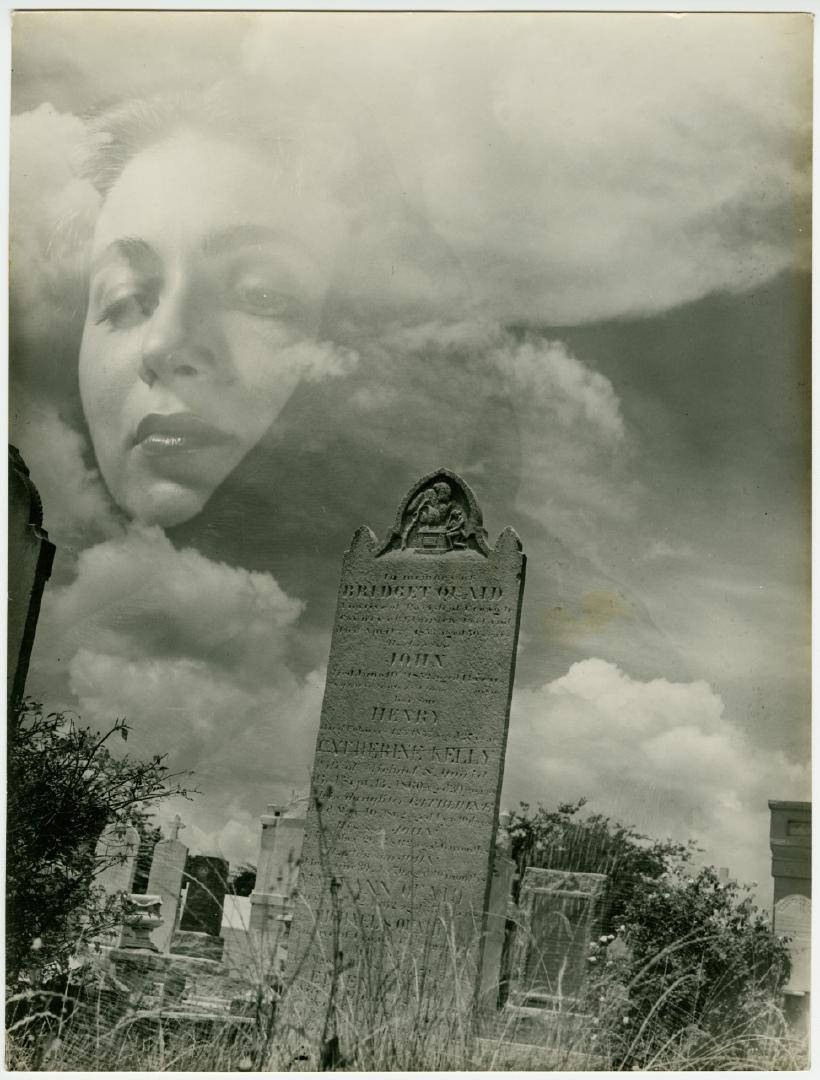
In the mid-nineteenth century, Yellow Fever swept through New Orleans. Thousands of Irish immigrants died from the outbreak, such as Bridget Quaid, whose tombstone appears in the photo. A woman looks down on the grave.
Source: Clarence John Laughlin, Yellow Fever Fantasia (Vision), 1940, The Historic New Orleans Collection, Permanent Collection, http://hnoc.minisisinc.com/thnoc/catalog/1/220951.