Modern Civil Rights in New Orleans
This tour focuses on New Orleans's role in the modern civil rights movement of the 1950s and 1960s. As one of the South's largest and most important cities, one with an African American protest tradition spanning generations, New Orleans was the center of activism as national civil rights groups, local churches, and college students organized to protest segregation through non-violent means.
Access: Biking or driving
Distance: ~8.5 miles, ~1 hour biking, ~30 minutes driving
Loading Stories
Stories 8

McCrory's Five-and-Dime
The former McCrory's lunch counter at 1005 Canal Street was a site for protest during the New Orleans civil rights movement.
Civil Rights Activists Protest Woolworth’s Department Store
On September 9, 1960, seven local university students staged a sit-in at Woolworth’s department store located at 1031 Canal Street to protest the store’s refusal to serve Black people at the lunch…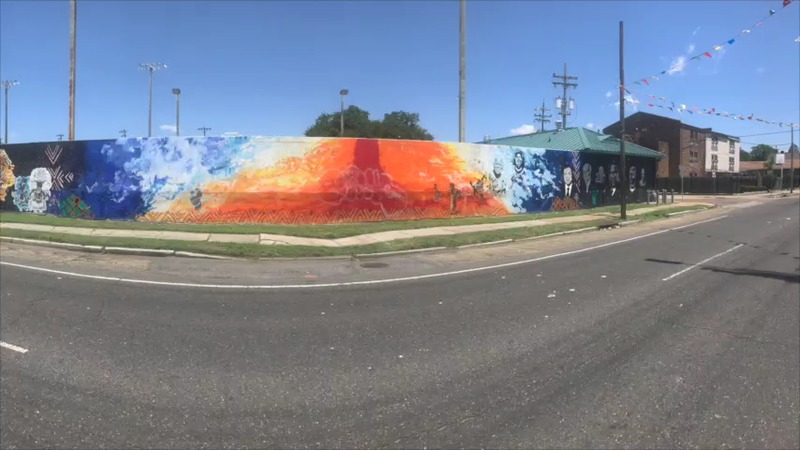
A. L. Davis Park
Civil Rights activists used African American purchasing power to press equality.
New Zion Baptist Church
On February 14, 1957, New Orleans' New Zion Baptist Church hosted a meeting of local pastors. The Reverend Martin Luther, Jr. was in attendance, and by the end of the day, the Southern Leadership…
Knights of Peter Claver
The NAACP Youth Council organized its 2-year stand-off with Canal Street businesses at The Knights of Peter Claver Headquarters during the Civil Rights Movement in New Orleans.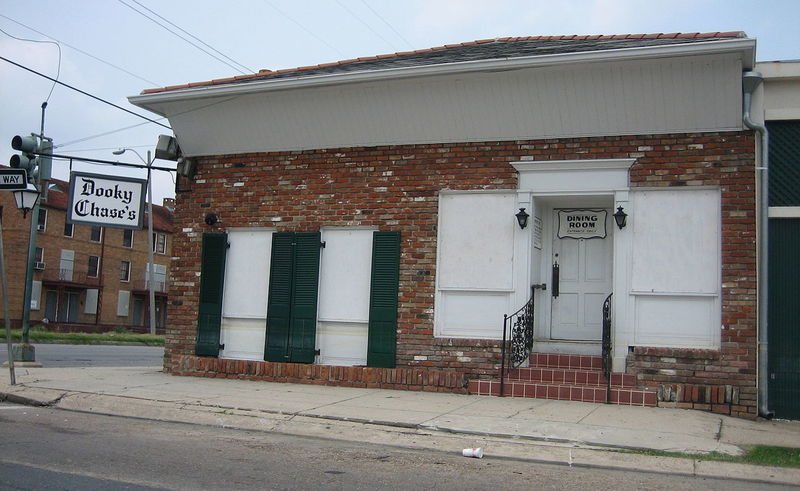
Dooky Chase's Restaurant
Dooky Chase's Restaurant provided a space for activists to come together over what New Orleanians know best: food.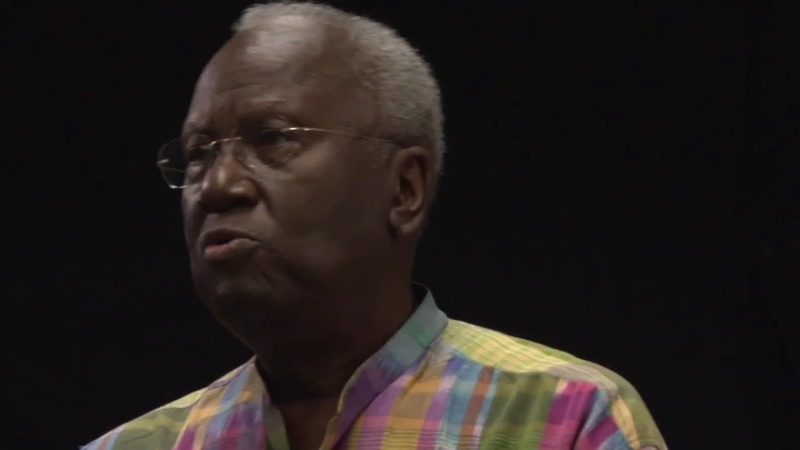
Sit-Ins and Marches at City Hall
During the 1960s, Jim Crow laws confined Black New Orleanians to second class citizenship: white owned businesses, restaurants, hotels, and other establishments denied accommodations for Black…
McDonogh 19: Desegregation of the New Orleans School System
On November 14, 1960, three African American girls Leona Tate, Tessie Prevost, and Gail Etienne walked into McDonogh 19 Elementary School to attend their first-grade classes, integrating the…Tour curated by: UNO Public History Department and Dr. Chamberlain