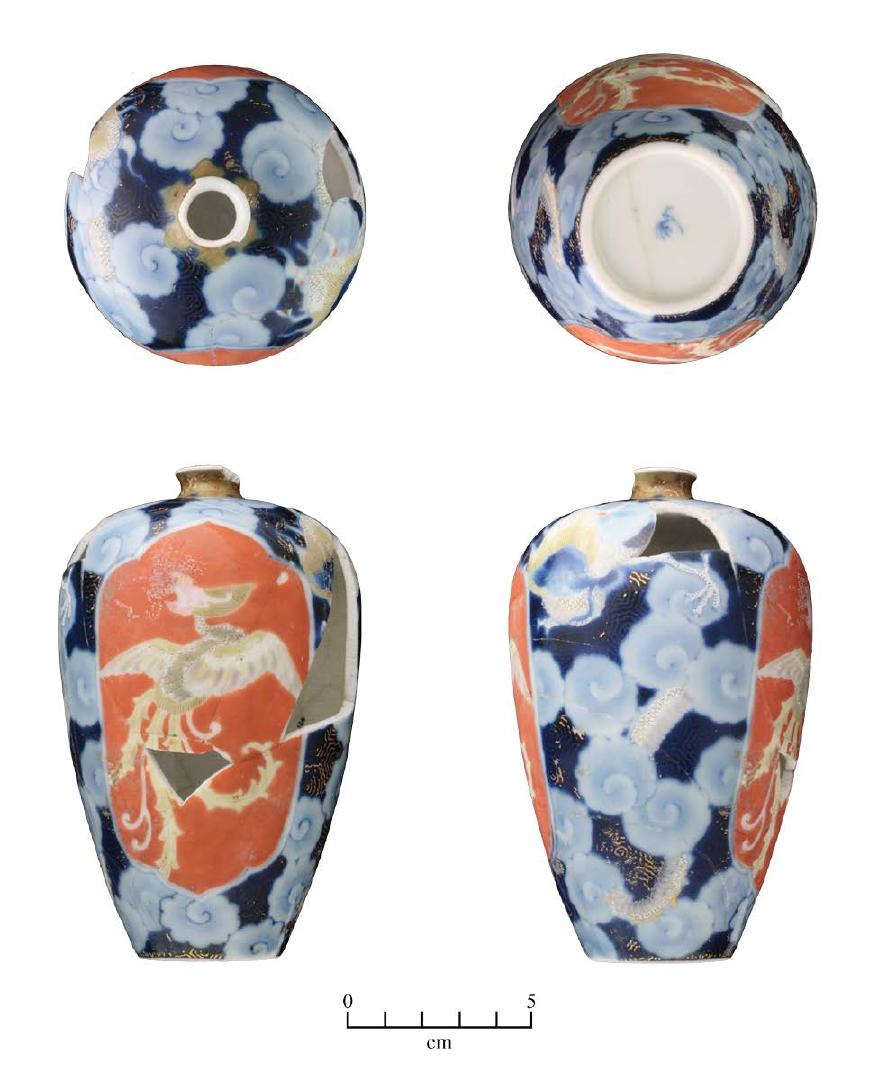
Yellow Fever Hospital, Excavations at Thurgood Marshall School
Text
In 2017, Federal Emergency Management Agency (FEMA) funded the repairs to Thurgood Marshall School caused by the Hurricane Katrina levee breaches. The site had been a school for over one hundred years. By 1884 it had been repurposed from a historical mansion that had been constructed on the site as part of a residential estate in the early 1800s. The remains of both the mansion and the schoolhouse were located within the modern footprint of the damaged school. In this case, the process of repairing the school could have destroyed any underground historical remains so, in compliance with federal law, FEMA conducted archaeological excavations at the property prior to repair. The excavations uncovered two privies – outhouses - one that’s contents dated to when the historical schoolhouse had been used as a quarantine hospital during the Yellow Fever Epidemic (1897), and the other to when Hannah Ford, the school caretaker, lived and worked at the school property (1890s-1913). Excavation of the privy used during the Yellow Fever Epidemic exposed debris relating to turn-of-the-century medical equipment including chamber pots, invalid feeders, nursing bottles, and glass disinfectant containers. Much of the material in the privy was burned, displaying clues of how medical professionals were attempting to sanitize items that had come into contact with the sick. The second privy contents related to the life of Hannah Ford. As a widow, she became the school caretaker and lived on the grounds with her school-aged children. The contents of her privy included porcelain figurines, a cake plate, and a highly decorated Imari/Arita porcelain vase. The contents, albeit scarce, suggested that Hannah Ford enjoyed baking, entertaining, and decorating her home with beautiful things while she took care of the school children.
Adapted from an exhibit originally published on GNOARCH.com.
Files
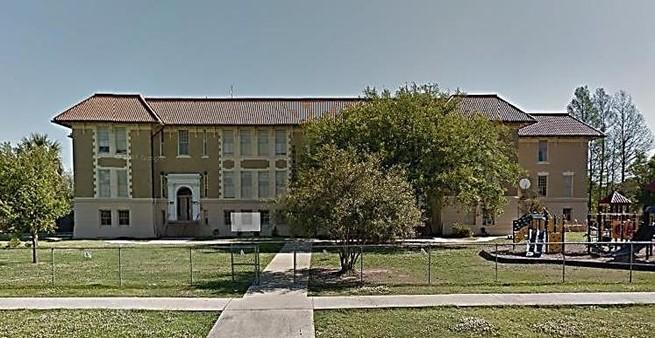
Thurgood Marshall School
Thurgood Marshall School at 4621 Canal Street taken in 2017 | Source: FEMA | Date: 3/10/2017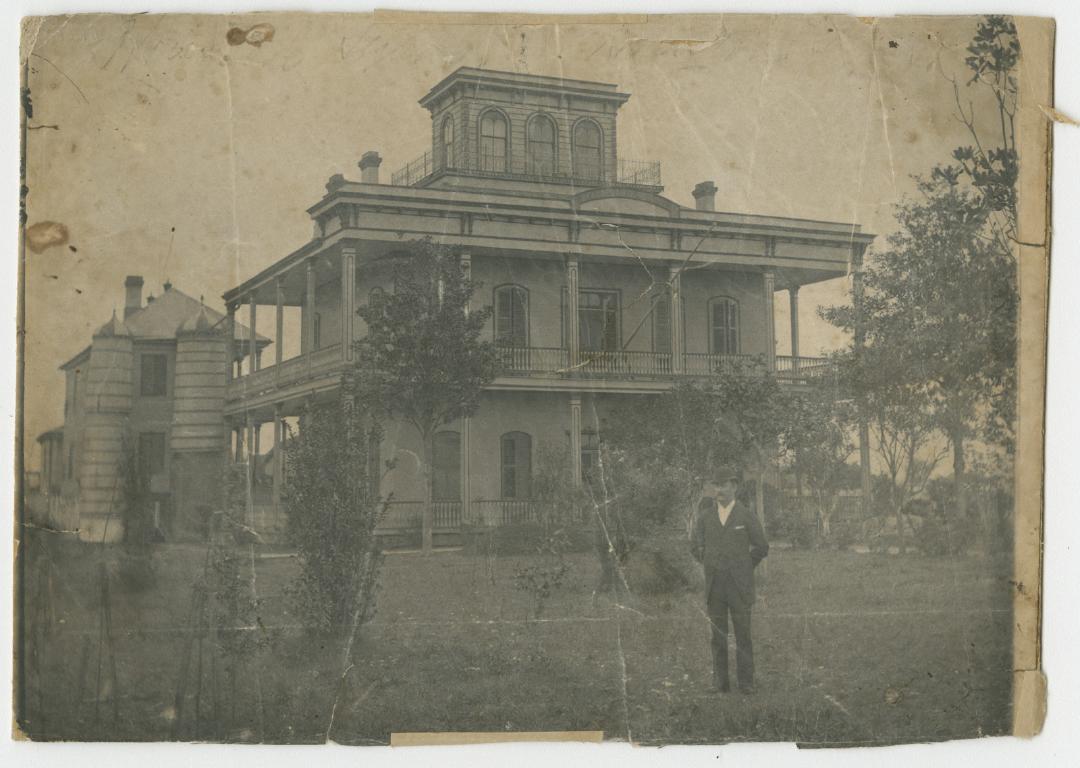
Escobal Mansion/old Beauregard School
Undated photograph of the Escobal Mansion that was used as the old Beauregard School and the yellow fever hospital | Source: Historic New Orleans Collection, 1974.25.3.635 | Date: Unknown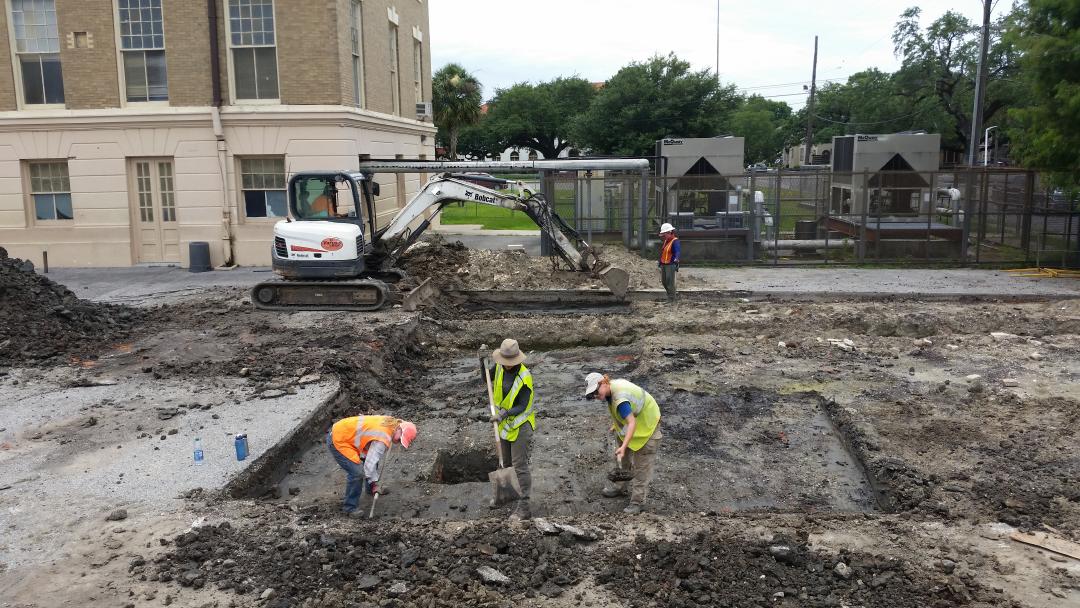
Surface clearing Trench 8
Archaeologists clearing off top layer of soil exposed by heavy machinery | Source: R. Christopher Goodwin and Associates | Date: 6/27/2017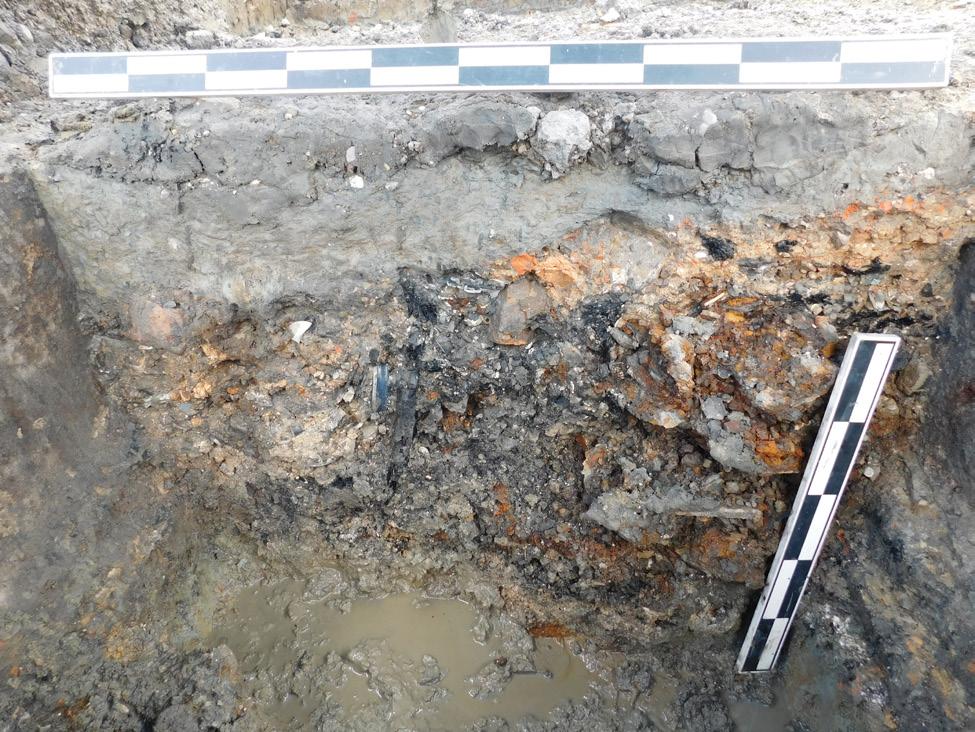
Unit wall showing pile of medical waste
Wall of excavation unit showing pile of crushed, burned, and buried medical waste | Source: Goodwin and Associates | Date: May 18, 2017